Less infrared heat
On a 100-degree afternoon, the heat coming through the glass is what you notice first: the wheel, the seats, your arm by the window. Ceramic IR blocks up to 87% of the infrared, so the cabin stays calmer.

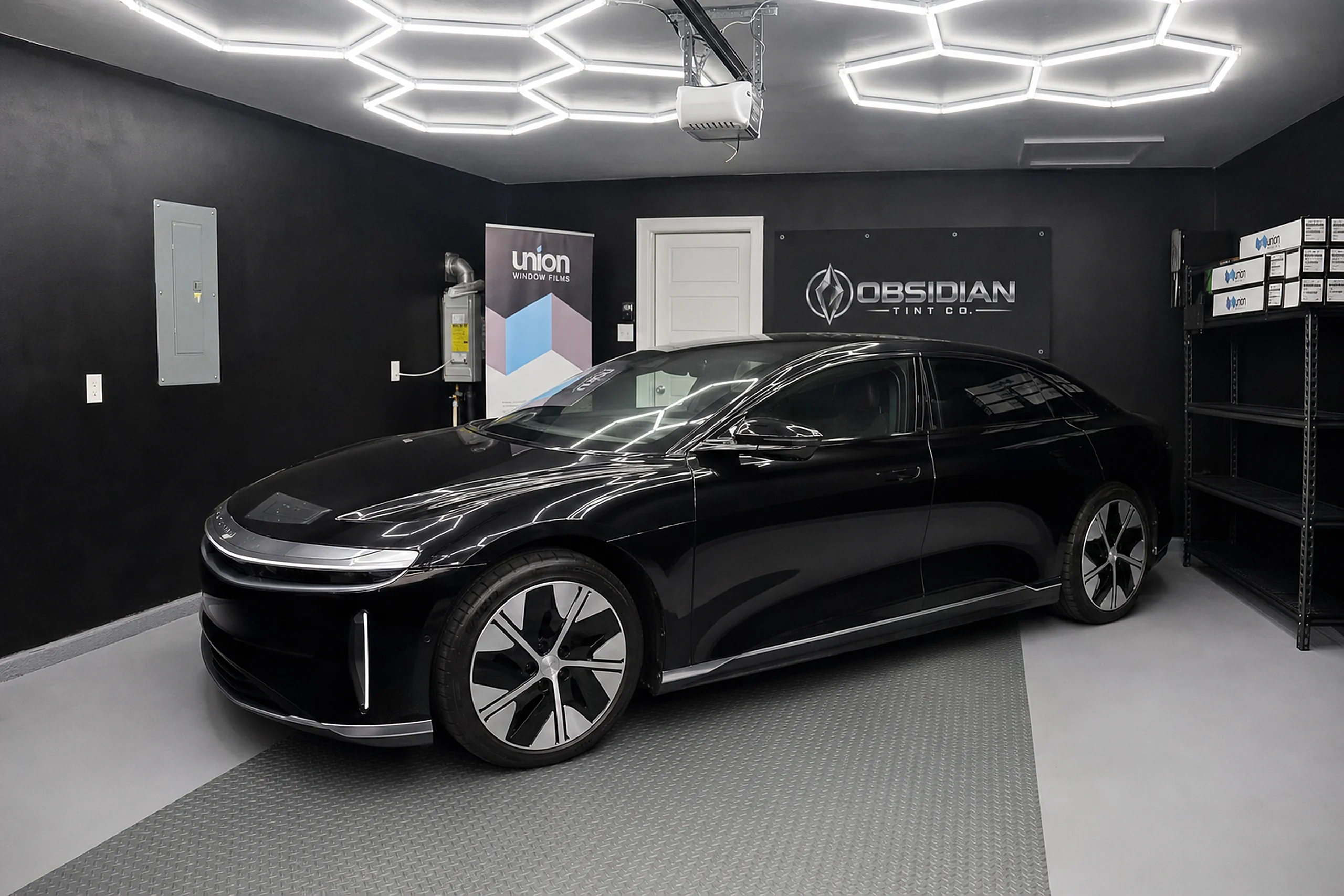
Union Ceramic IR blocks up to 87% of infrared heat, the most of any Union car film, and it doesn’t need a dark shade to do it. No metal: phone, GPS and radio work normally.
On a 100-degree afternoon, the heat coming through the glass is what you notice first: the wheel, the seats, your arm by the window. Ceramic IR blocks up to 87% of the infrared, so the cabin stays calmer.
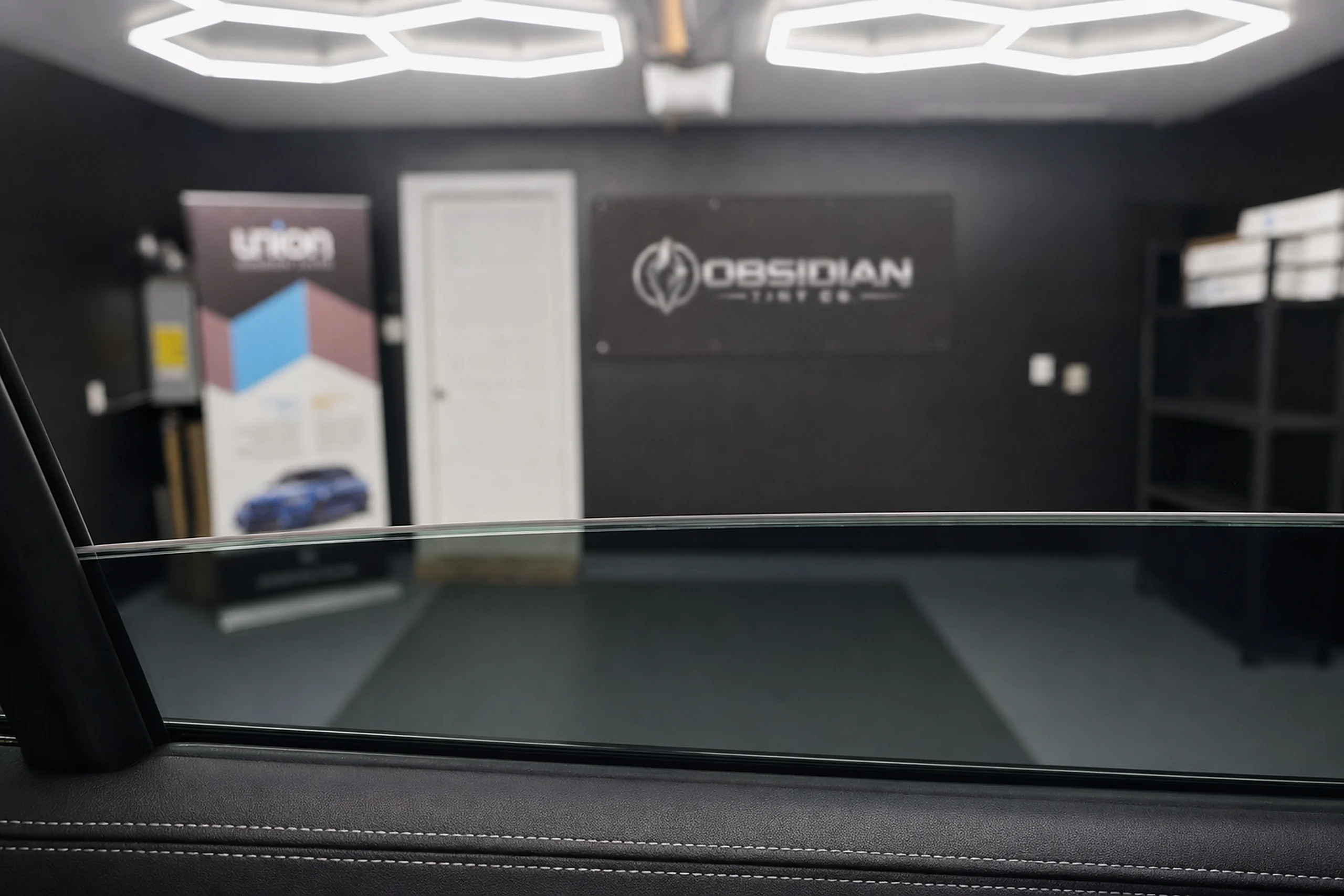
Shade and heat are separate choices. Ceramic IR’s heat control comes from what the film is made of, not how dark it is, so a 50% or 70% shade still turns back infrared while the view stays clear.
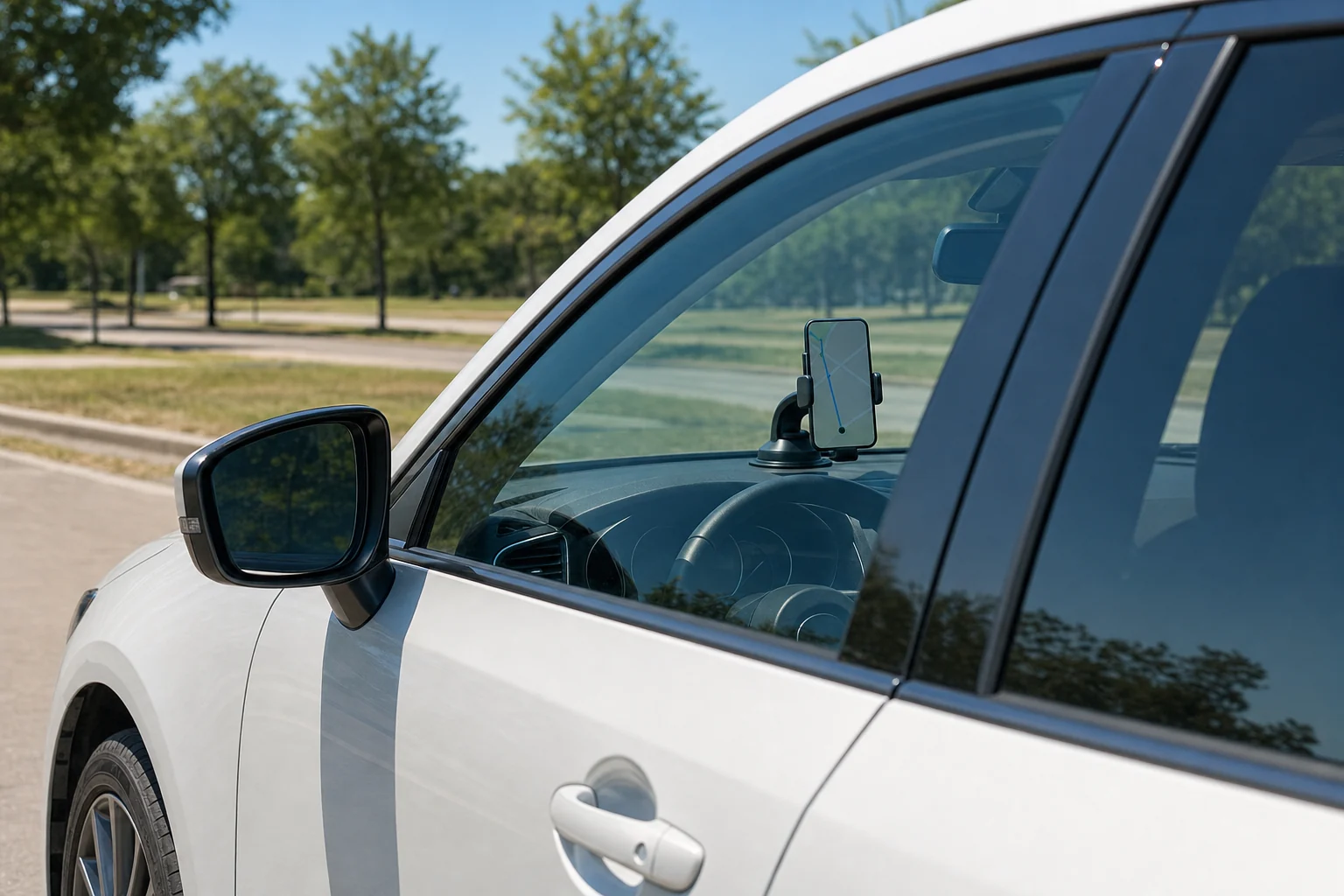
There’s no metal in Ceramic IR, so nothing in the film gets between your phone and the network. Calls, GPS, radio, toll tags and phone-as-key work just as they did before the film went on.
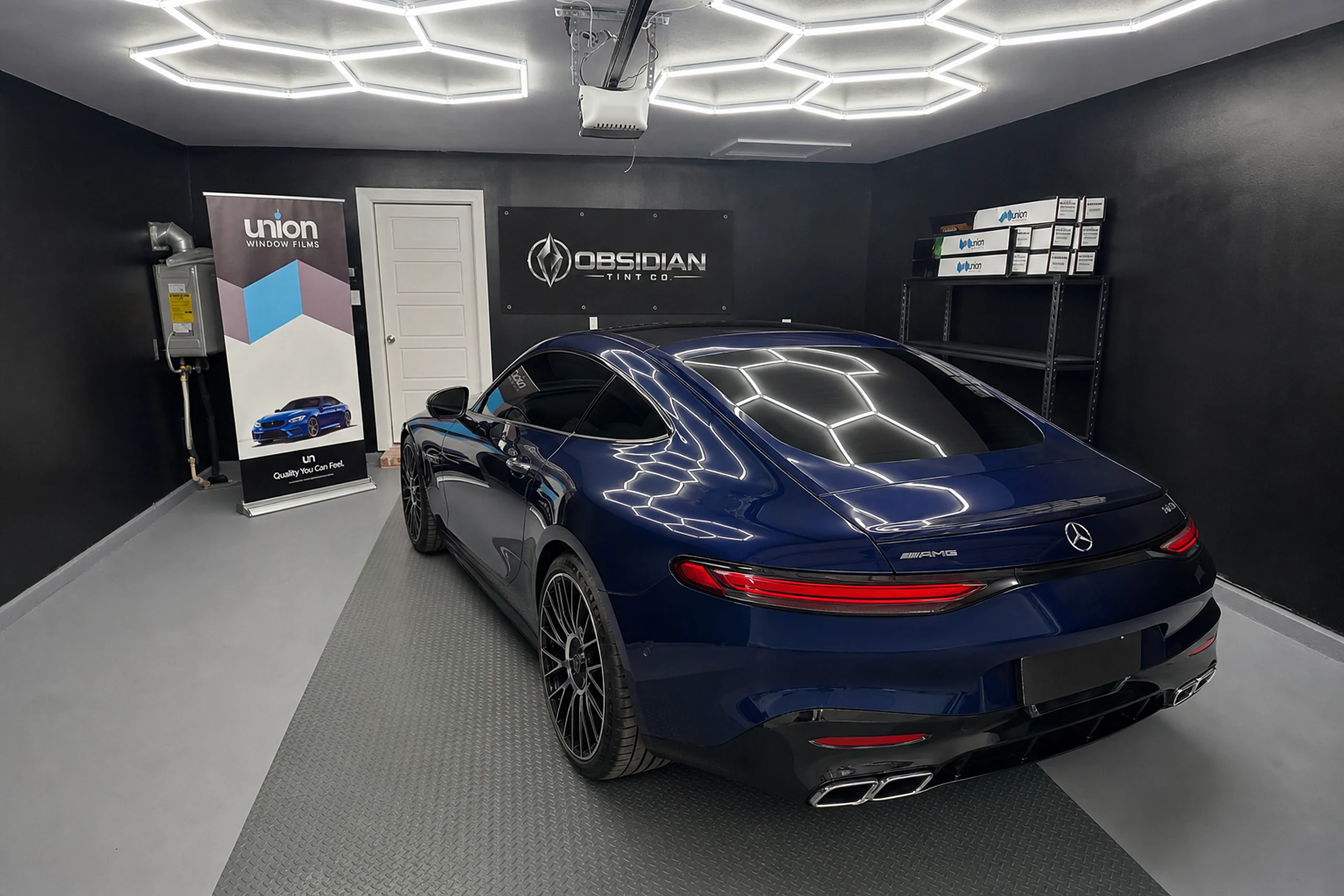
On a long commute or a road trip, the sun works on one side of you for hours. Ceramic IR keeps that side cooler and blocks 99.99% of UV, so your arm and the seat beside the window are protected too.
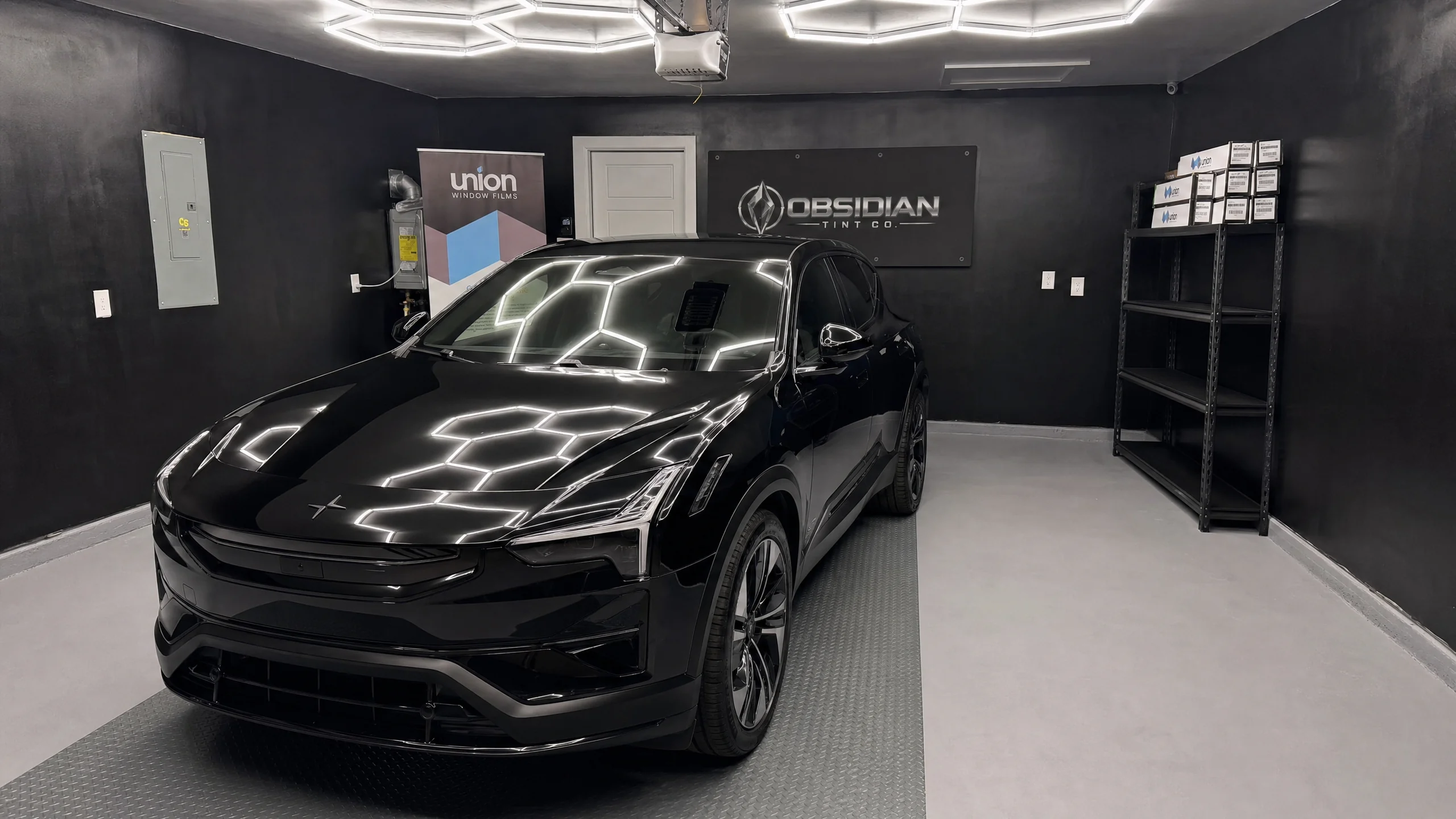
An EV cools its cabin on battery power, and a big glass roof lets in a lot of sun. Ceramic IR turns back infrared without metal, so connected features keep working. Ask about roof glass when you request your price.
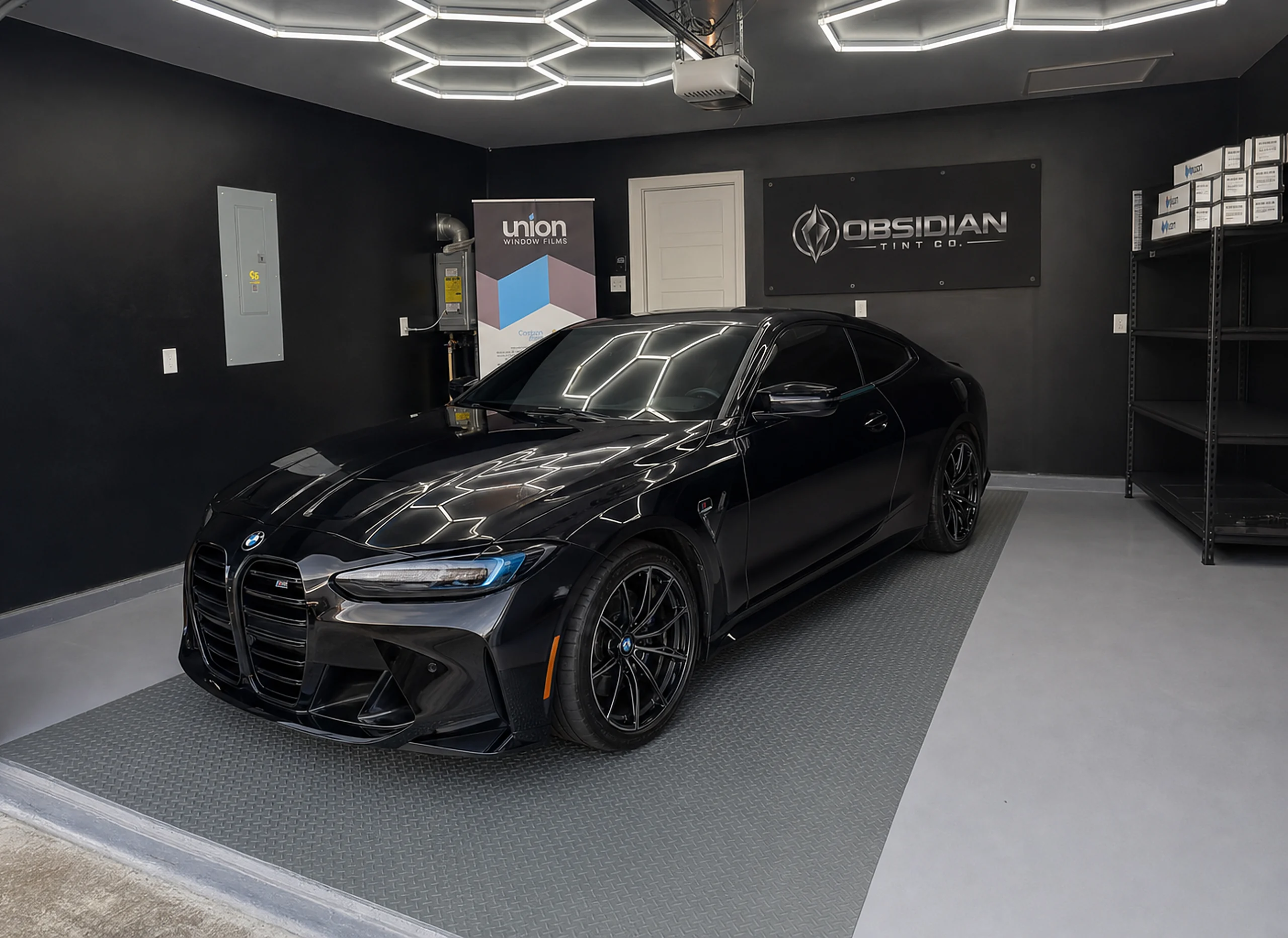
Ceramic IR is built on Union’s carbon base, which holds its color instead of fading toward purple the way dyed film does. The shade you choose on the day is the shade you keep.
Ceramic IR is Union’s carbon film with a ceramic layer added. That layer works on infrared, the heat you feel, while visible light passes as your shade allows. There’s no metal in it, so signals pass and the glass never takes on a mirror look.
So shade and heat are two choices. The shade decides how dark the glass looks and what Texas allows on the front windows; the film decides how much infrared gets in. A 50% Ceramic IR keeps a light, near-factory look and still turns back infrared.
Both block 99.99% of UV. The difference is how much infrared heat stays outside.
Carbon-particle film that holds its color — black stays black, it never turns purple.
The same carbon base with a ceramic layer: the most infrared heat Union film keeps out, with the clearest view.
Tell us the car and the windows. Your quote is for your car — not a range, not a guess.
We check your shade against Texas law before anything is cut: 25% or lighter beside the driver.
Carbon IR or Ceramic IR, with Union’s limited lifetime warranty on qualifying car installs.
Before you drive away we go over the glass together and tell you how to look after it.
The year, make and model, the windows you want, and whether there’s old film to remove. We’ll reply with the exact price for Ceramic IR on your car.
Choose from 5% to 70%. Want a light, near-factory look? Ceramic IR still turns back infrared at 50% or 70%. Your front shade is confirmed on your own glass before cutting.
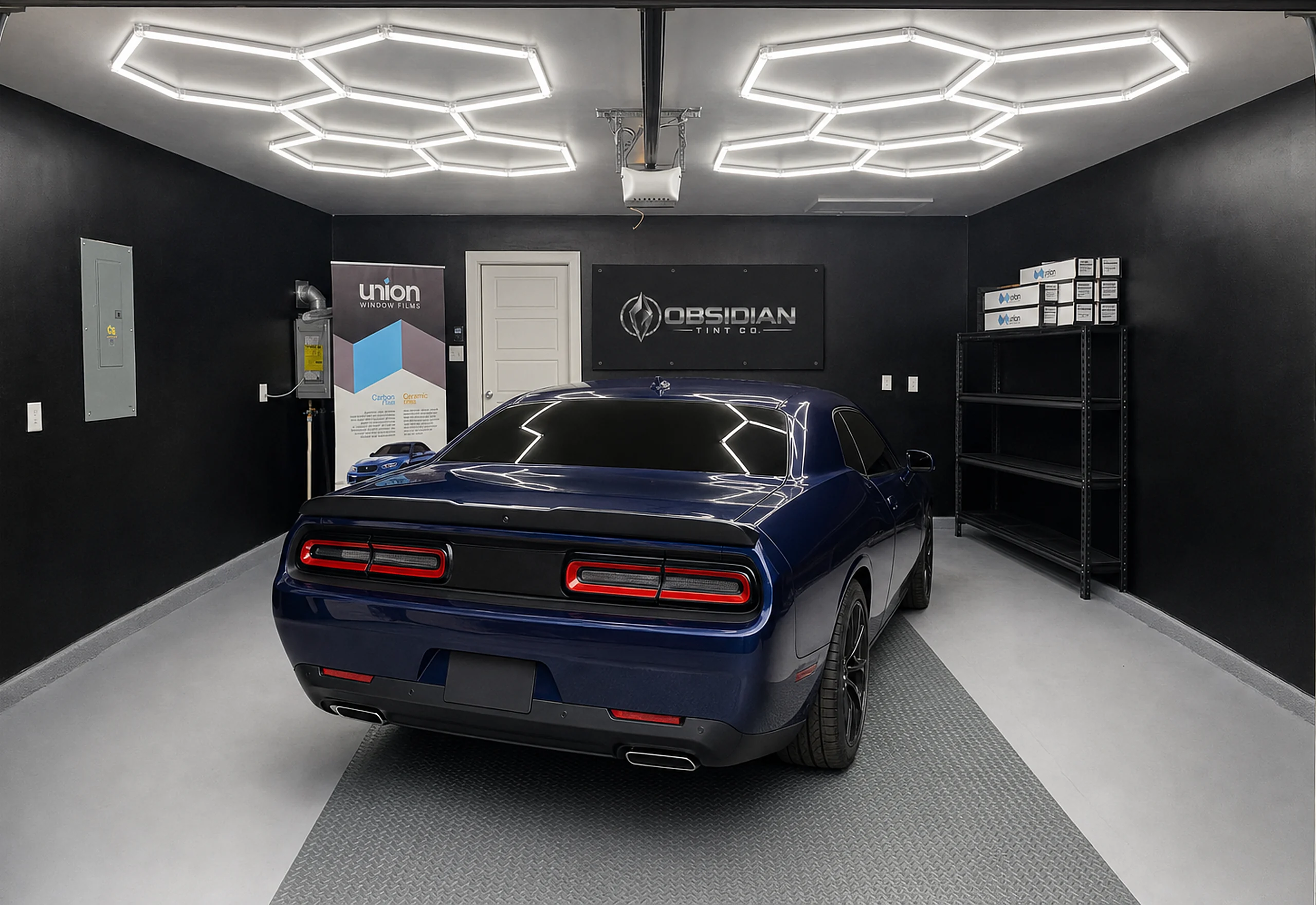
Drop the car at our studio in Princeton at your booked time; the address comes with your booking. It’s tinted indoors, and most cars take a few hours.
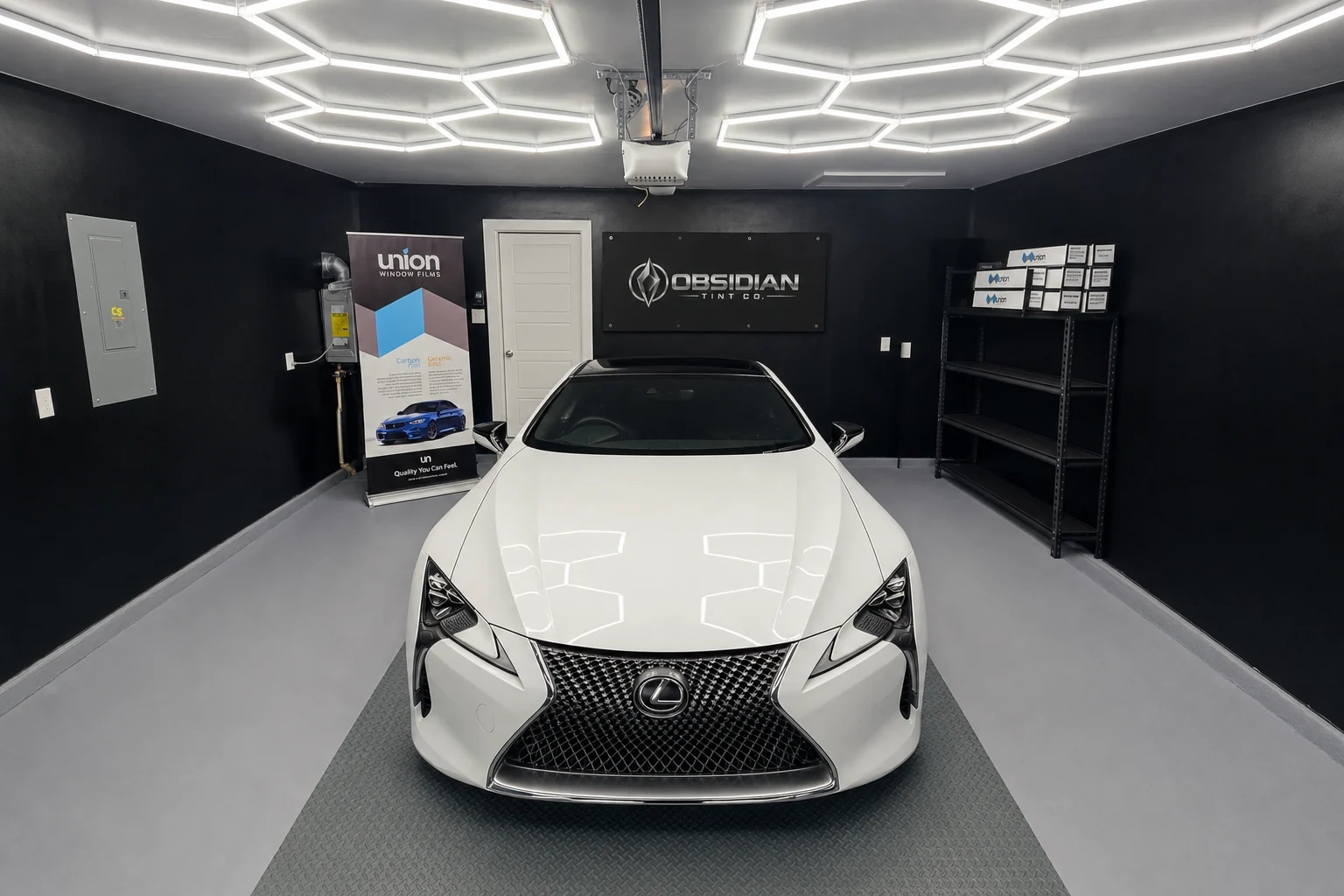
We check every window with you before you go and hand over the aftercare notes. Give the film a few days to cure, then notice the difference on the next hot afternoon.
Window film with a ceramic layer that works on infrared heat. Union’s Ceramic IR adds that layer to a carbon film, blocking up to 87% of infrared and 99.99% of UV, with no metal inside to interfere with signals.
Send the year, make and model, or call (945) 280-9494. The price is exact for your car, with the legal front shade confirmed.
(945) 280-9494