A cooler car
Infrared is the heat you feel through the glass, on your arm and on the seats. Carbon IR blocks up to 75% of it and Ceramic IR up to 87%, so less heat builds up while the car sits in the sun.

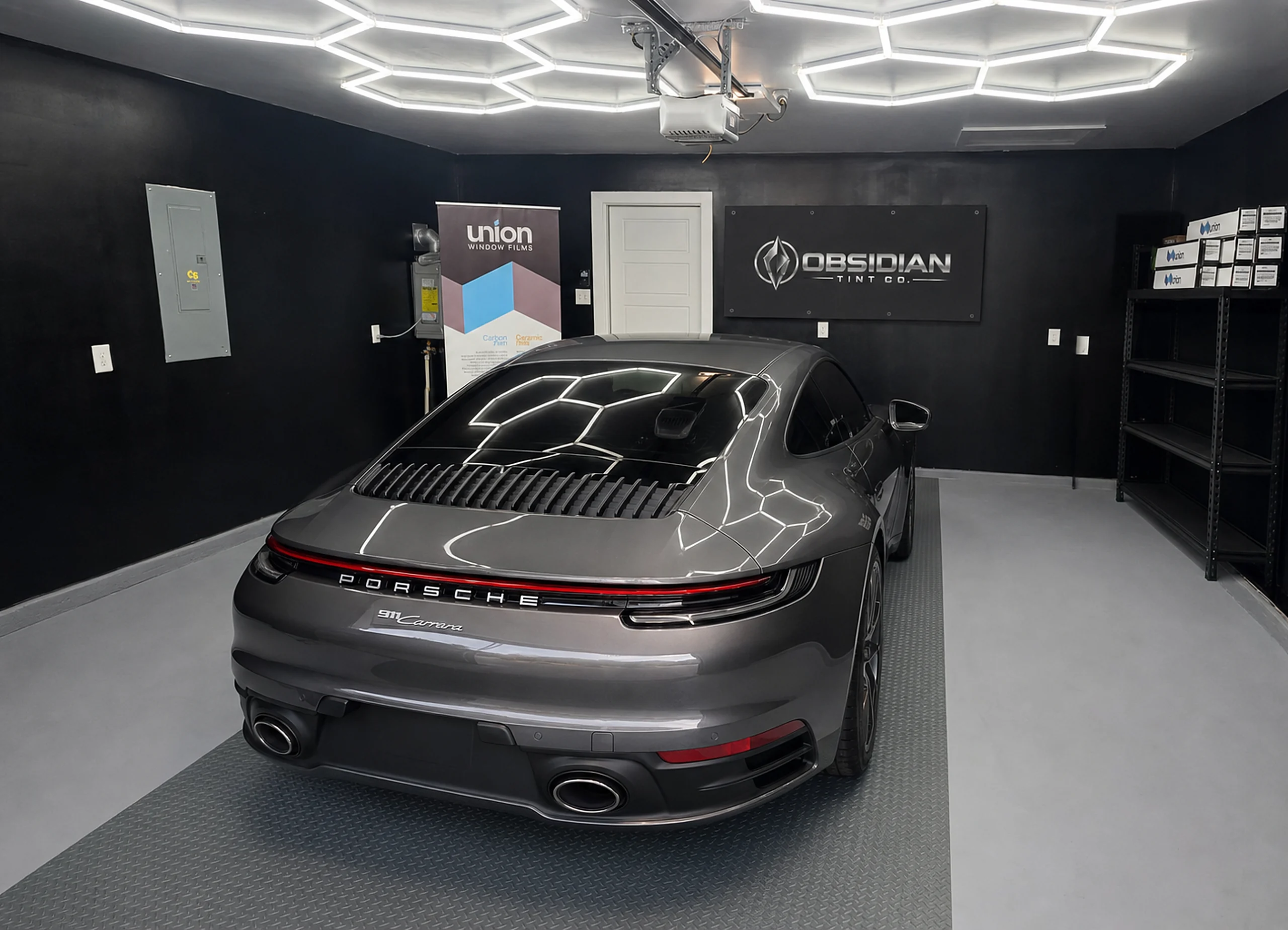
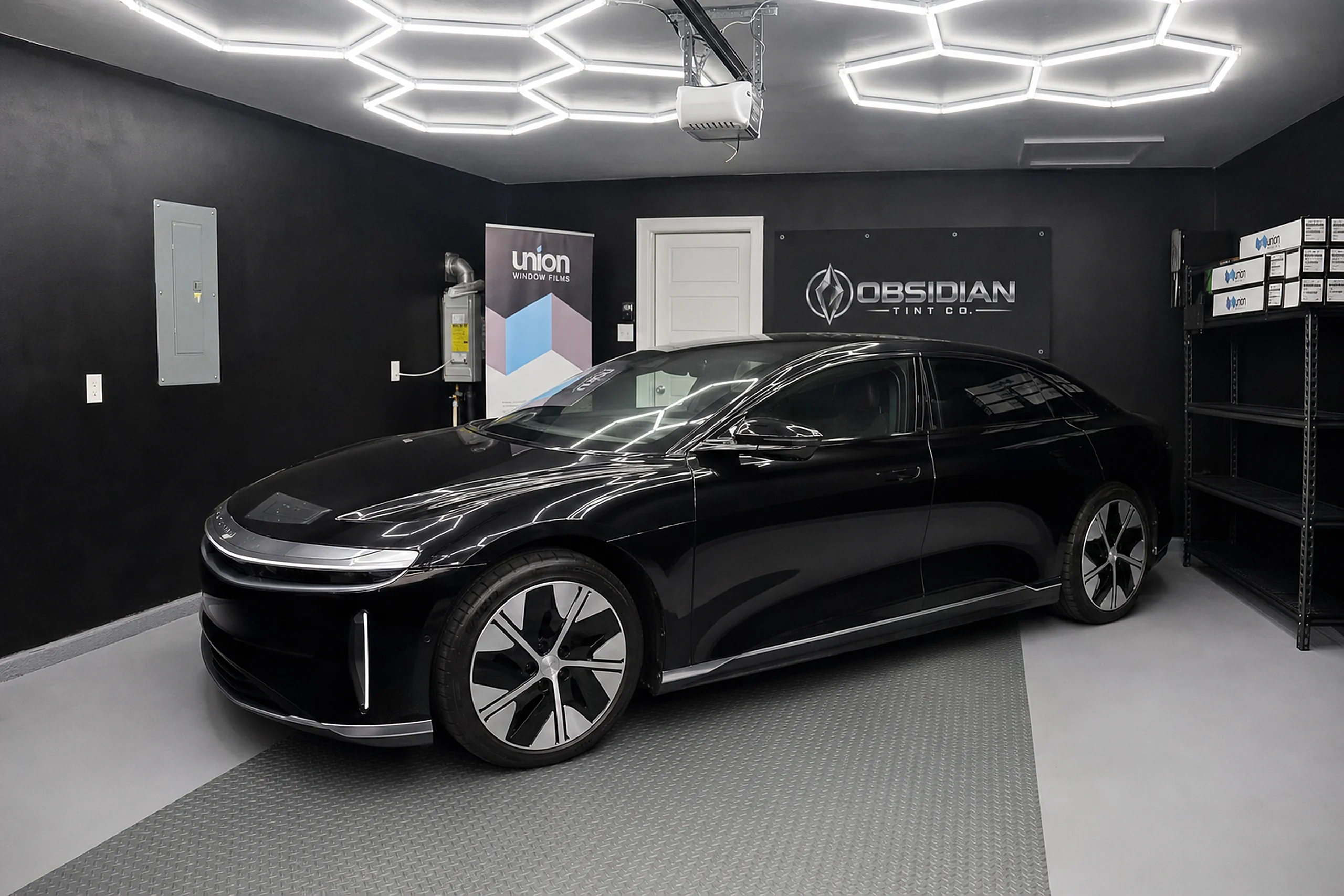
Union Carbon IR and Ceramic IR, installed at our studio in Princeton at a time you book. A cooler cabin, 99.99% of UV kept out, and a front shade that stays inside Texas law.
Infrared is the heat you feel through the glass, on your arm and on the seats. Carbon IR blocks up to 75% of it and Ceramic IR up to 87%, so less heat builds up while the car sits in the sun.
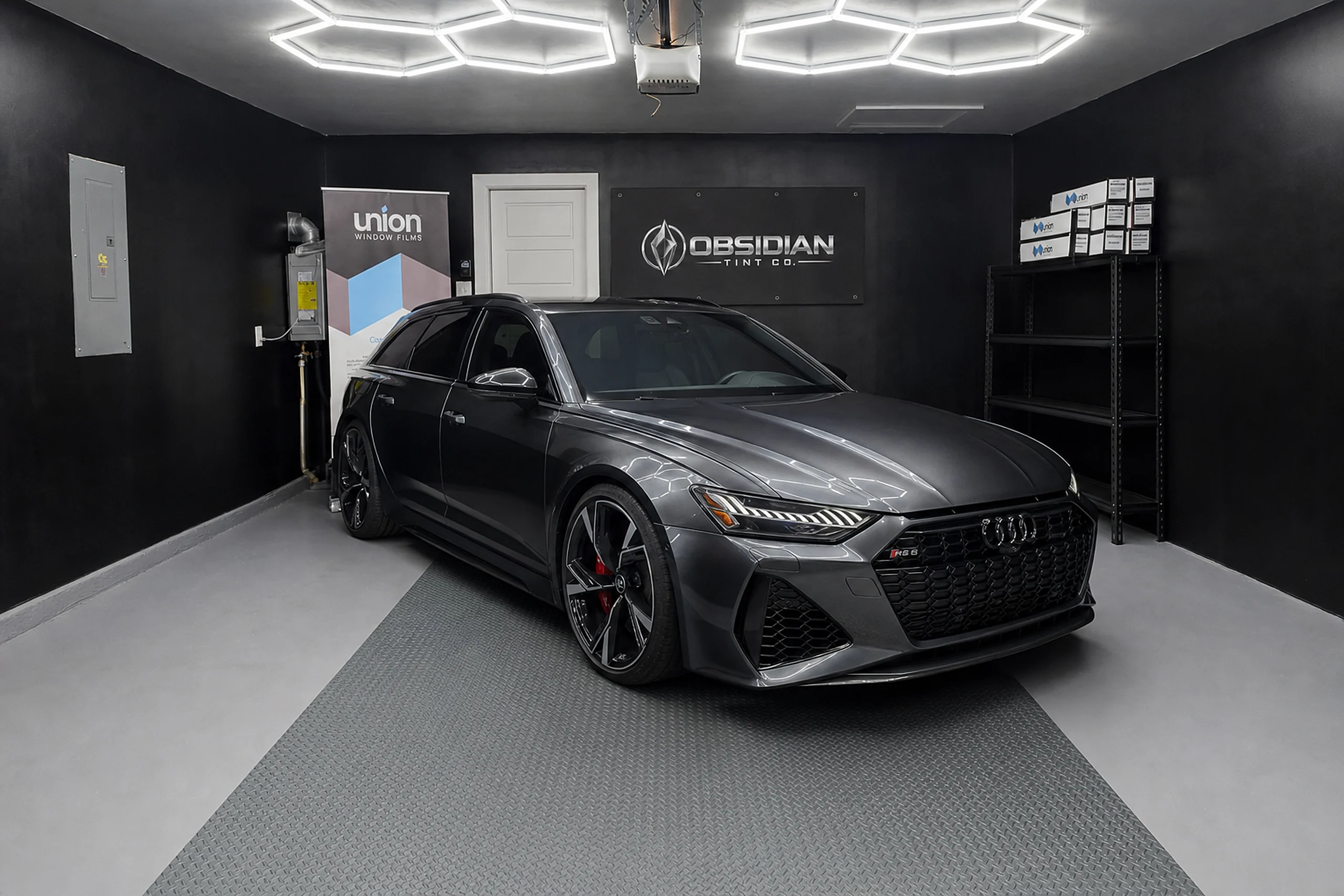
Both films block 99.99% of UV, the rays that fade a dashboard, wear leather and reach your skin on every commute. That protection comes with every shade, so the lightest film still does the job.
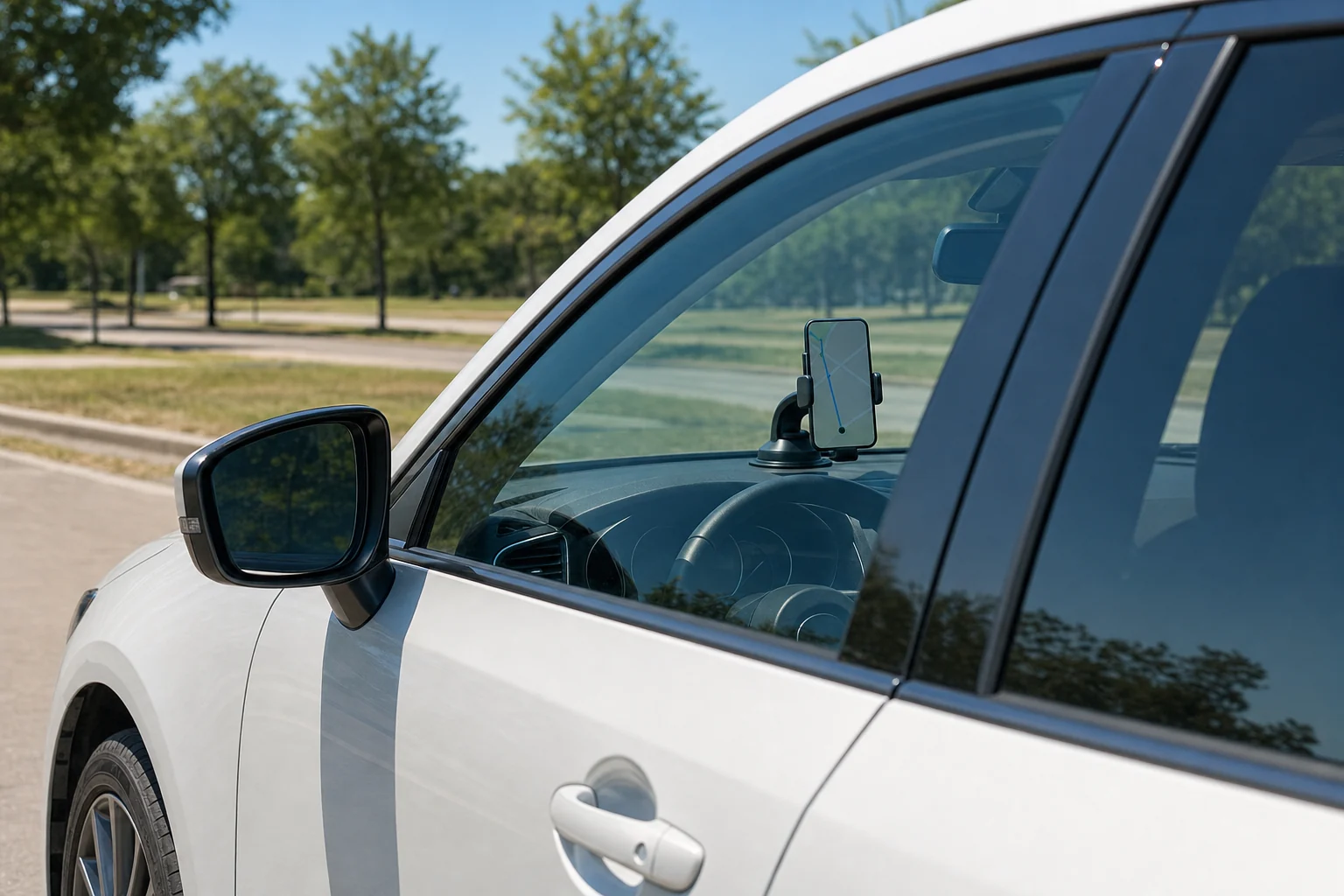
Low sun on the evening drive and bright headlights in the mirror both soften behind tint. Choose the depth to suit how you drive: darker on the glass behind you, lighter on the windows beside you.
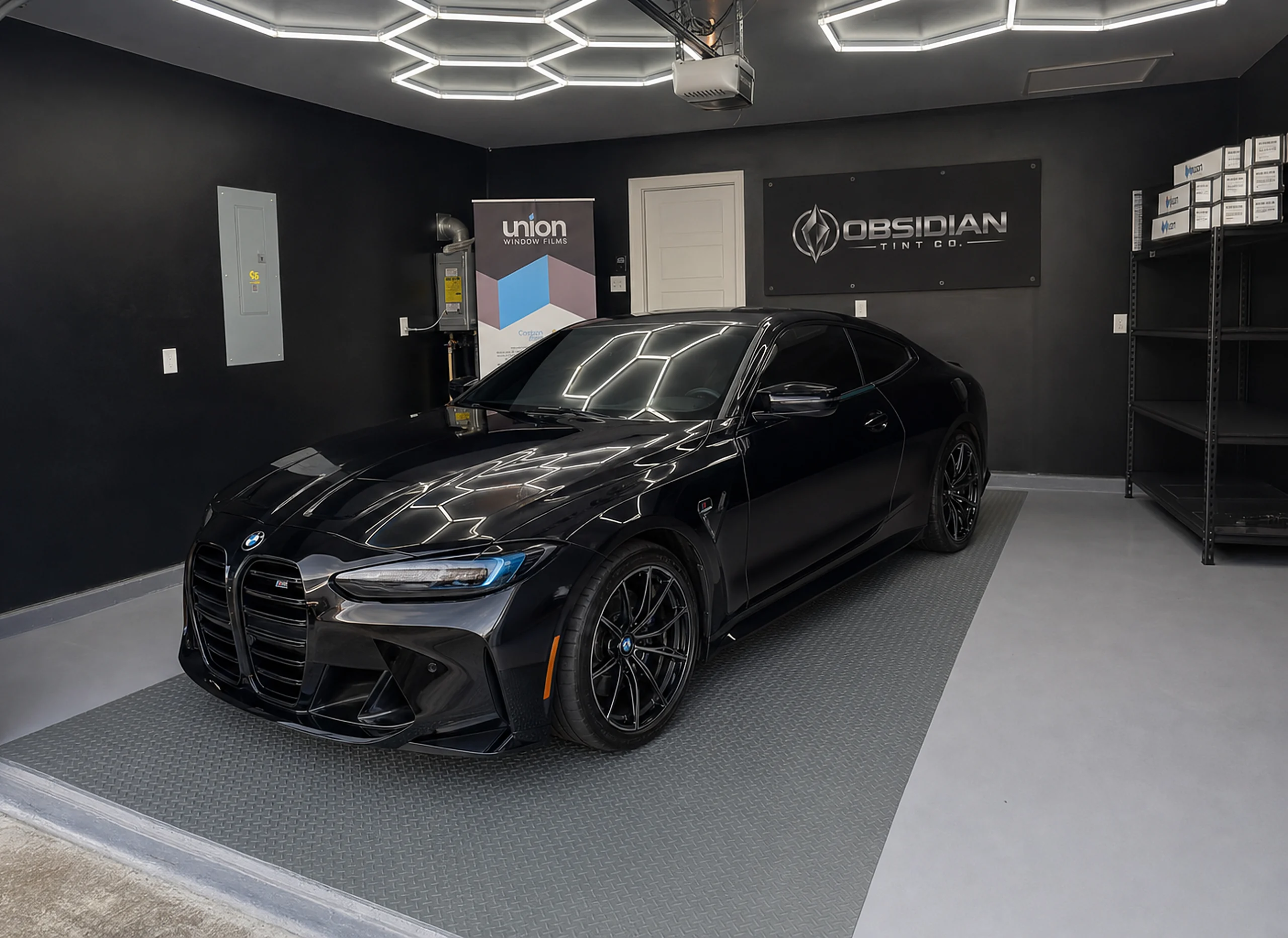
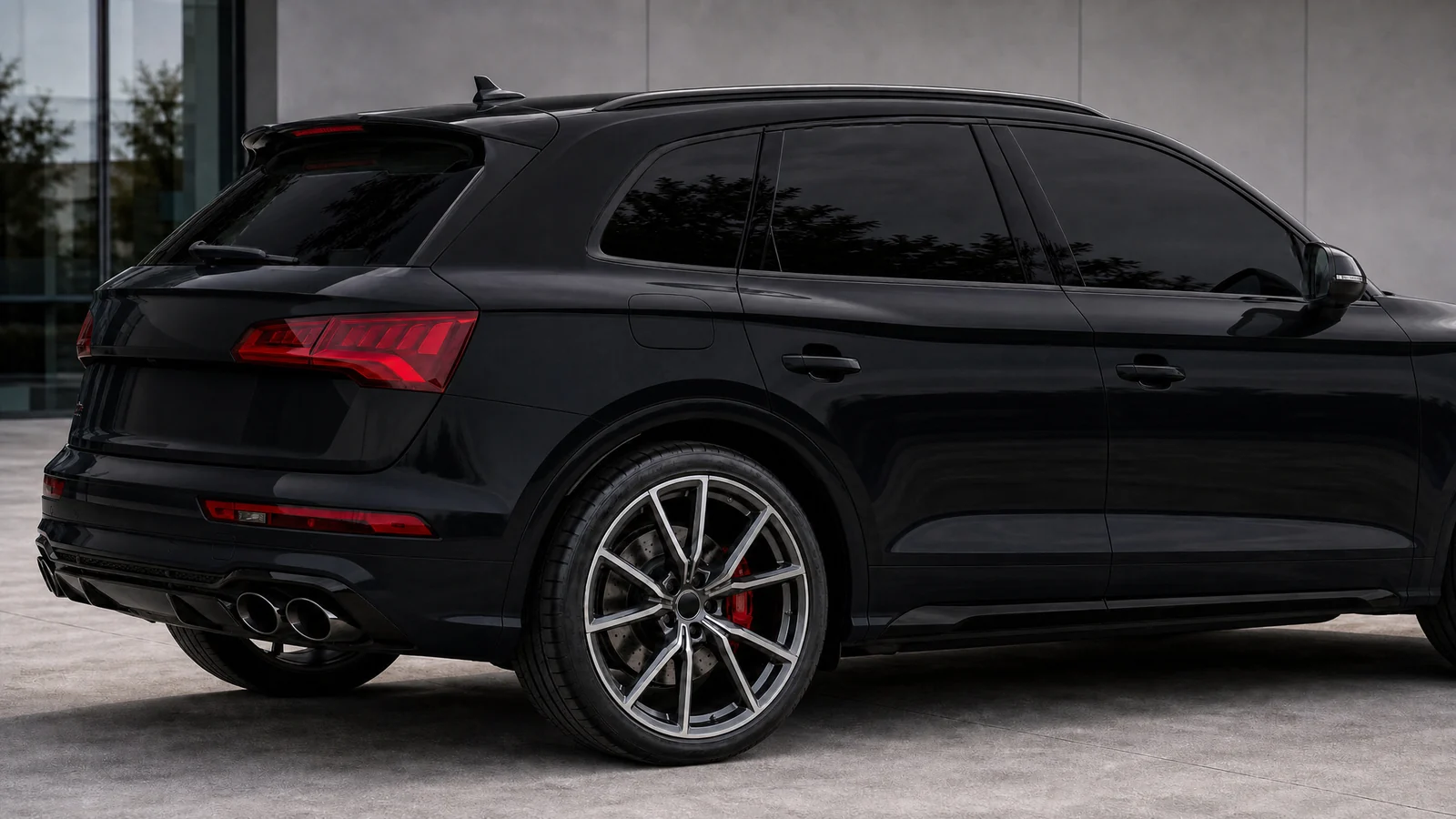
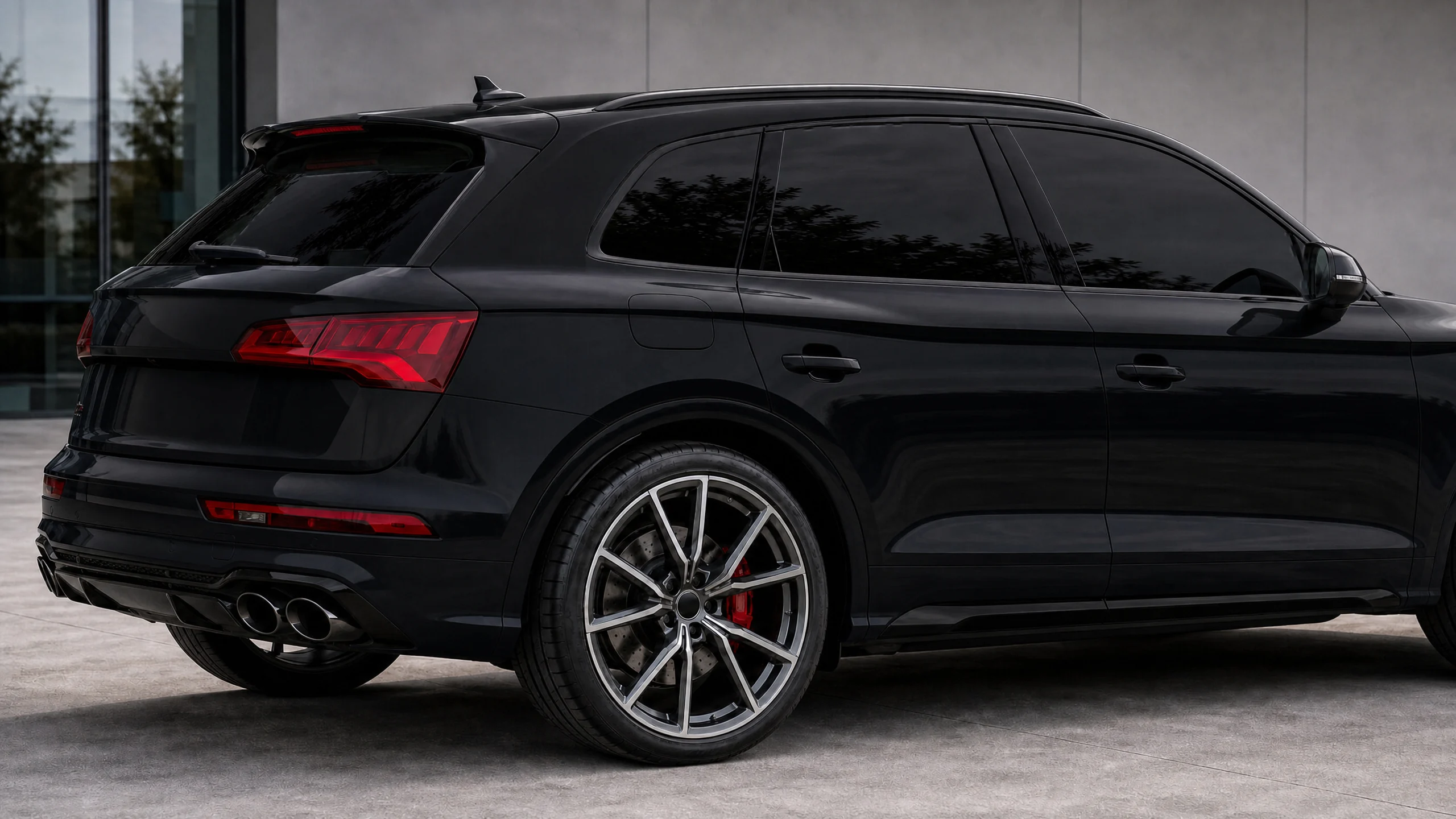
Darker glass behind the front doors keeps bags, car seats and tools out of view at every light and in every parking lot. From the outside, the cabin reads as clean black glass.
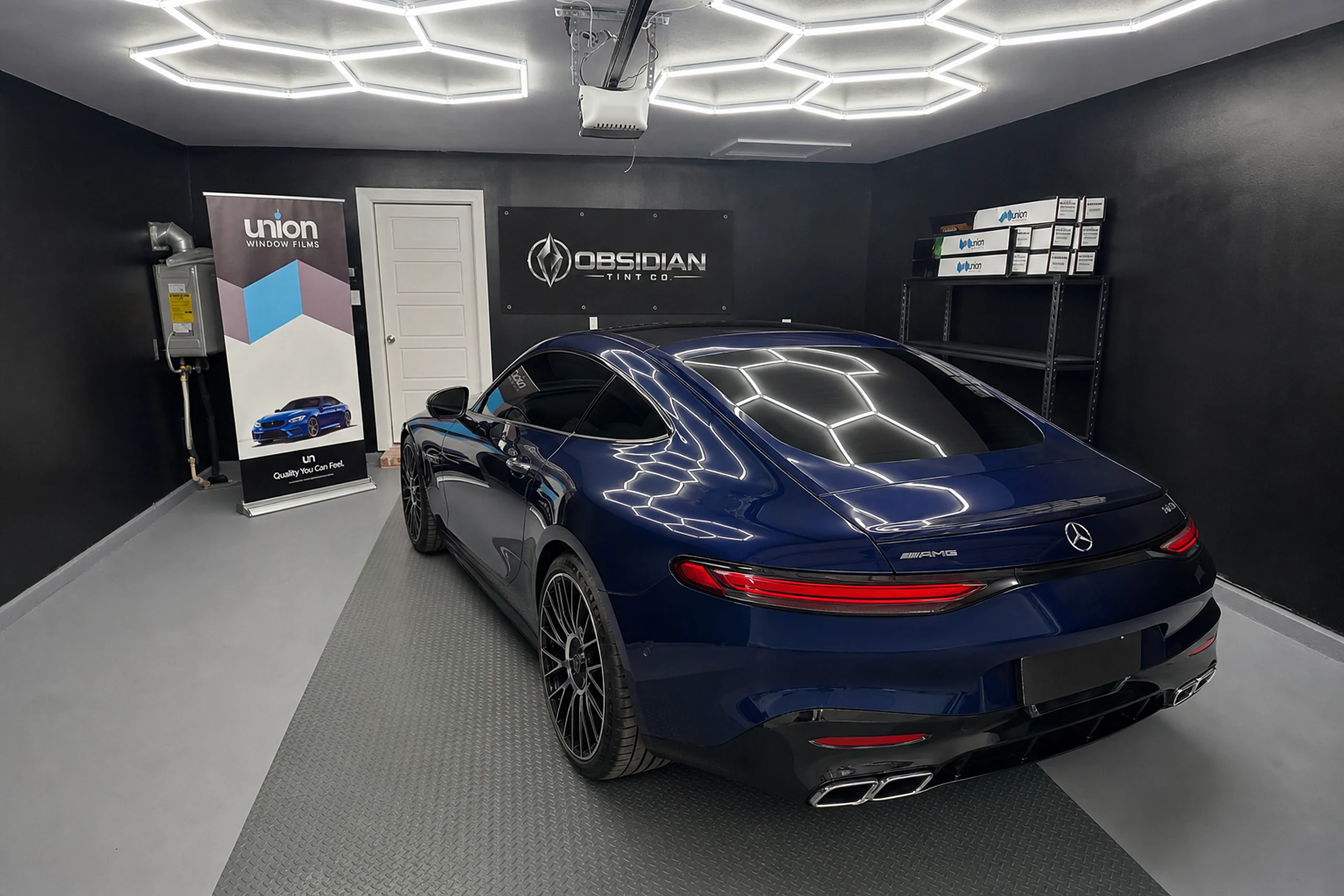
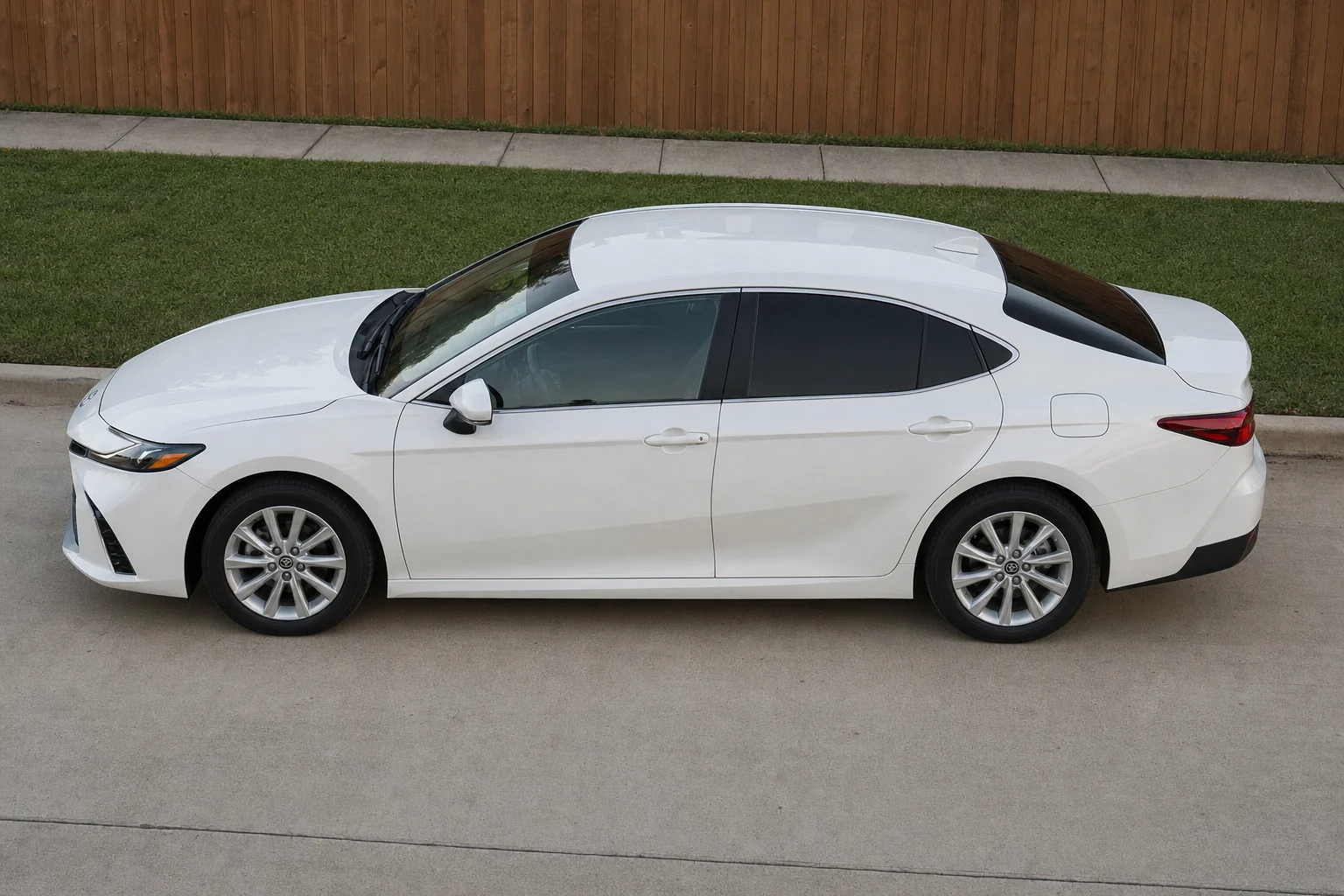
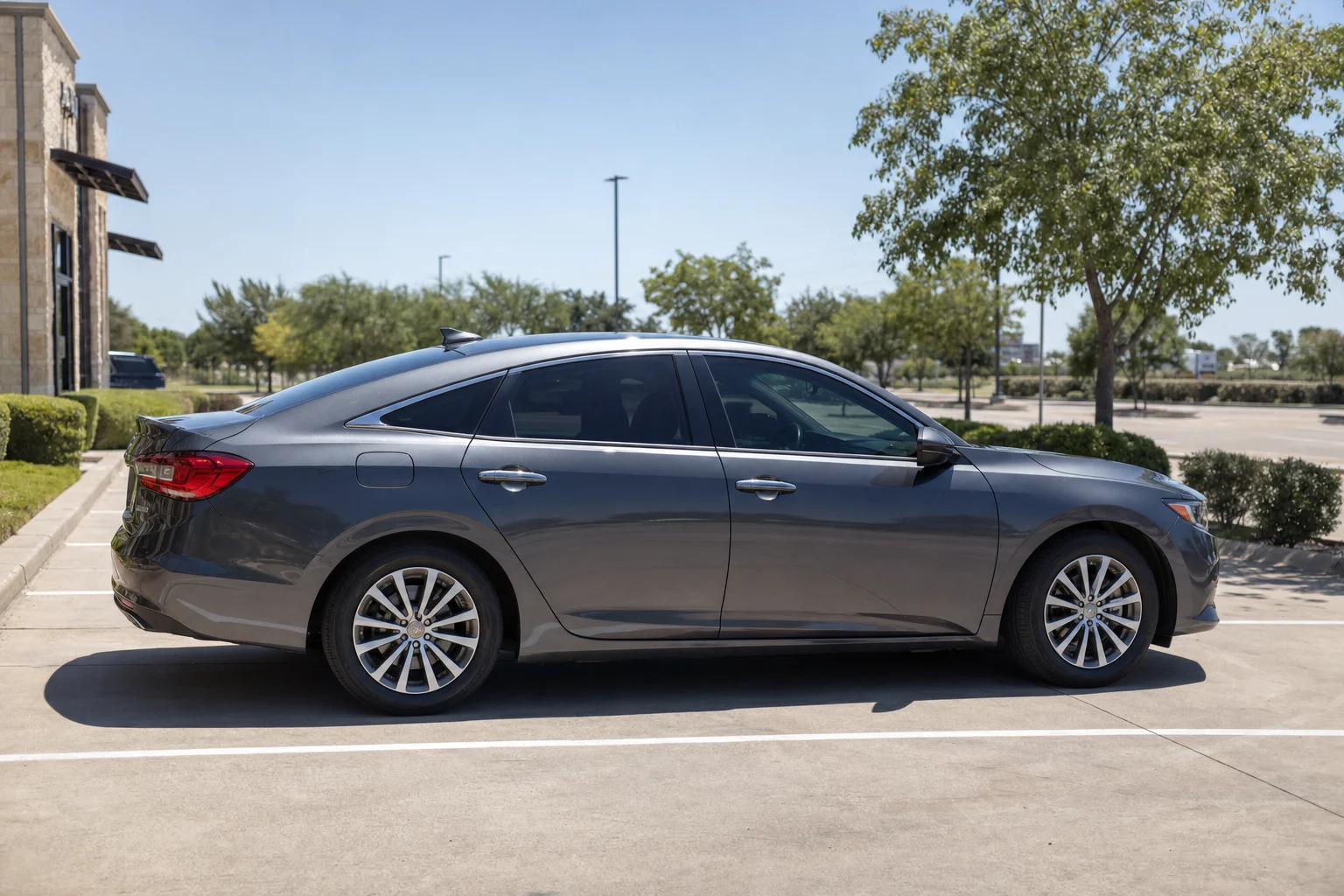
Each piece of film is cut for its own window and finished close to the edge, curved back glass included. The side profile looks deliberate and even, as if the car left the factory that way.
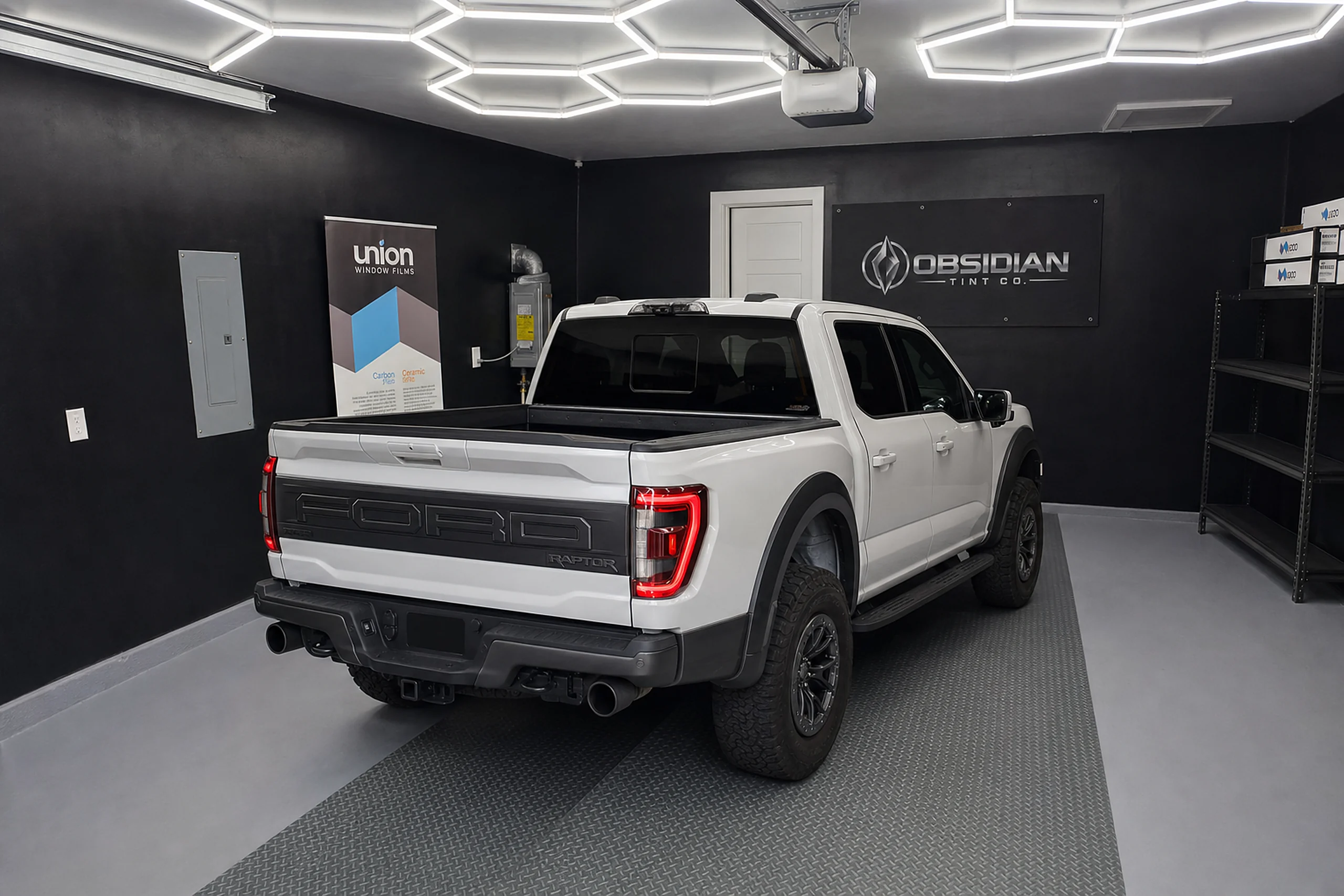
Dyed film fades toward purple over time. Carbon IR is made with carbon particles, not dye, so it holds its color, and Ceramic IR is built on the same carbon base. Both stay black for years.
Window tint is a thin film installed on the inside of the glass. The shade sets how dark it looks; what the film is made of sets how much infrared heat it stops. Both Union films block 99.99% of UV, and the shades run from 5% to 70%.
In Texas, the front side windows need film and glass together to let through 25% or more of the light and reflect 25% or less. Behind the driver, any shade is yours, the back glass too when the car has a mirror on each side. The windshield takes a strip across the top.
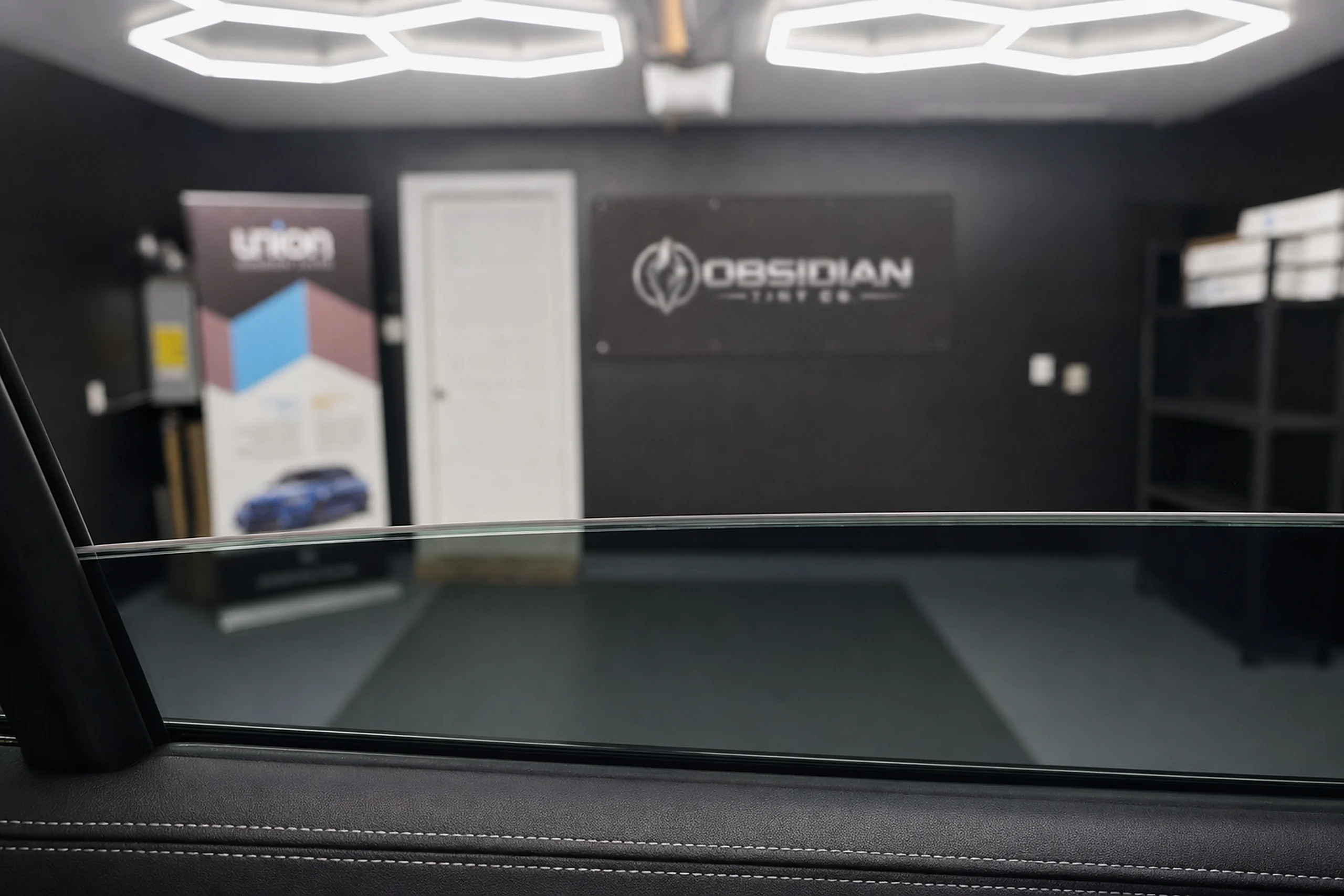
Both block 99.99% of UV. The difference is how much infrared heat stays outside.
Carbon-particle film that holds its color — black stays black, it never turns purple.
The same carbon base with a ceramic layer: the most infrared heat Union film keeps out, with the clearest view.
Darkest first. Tap a shade and watch the glass change.
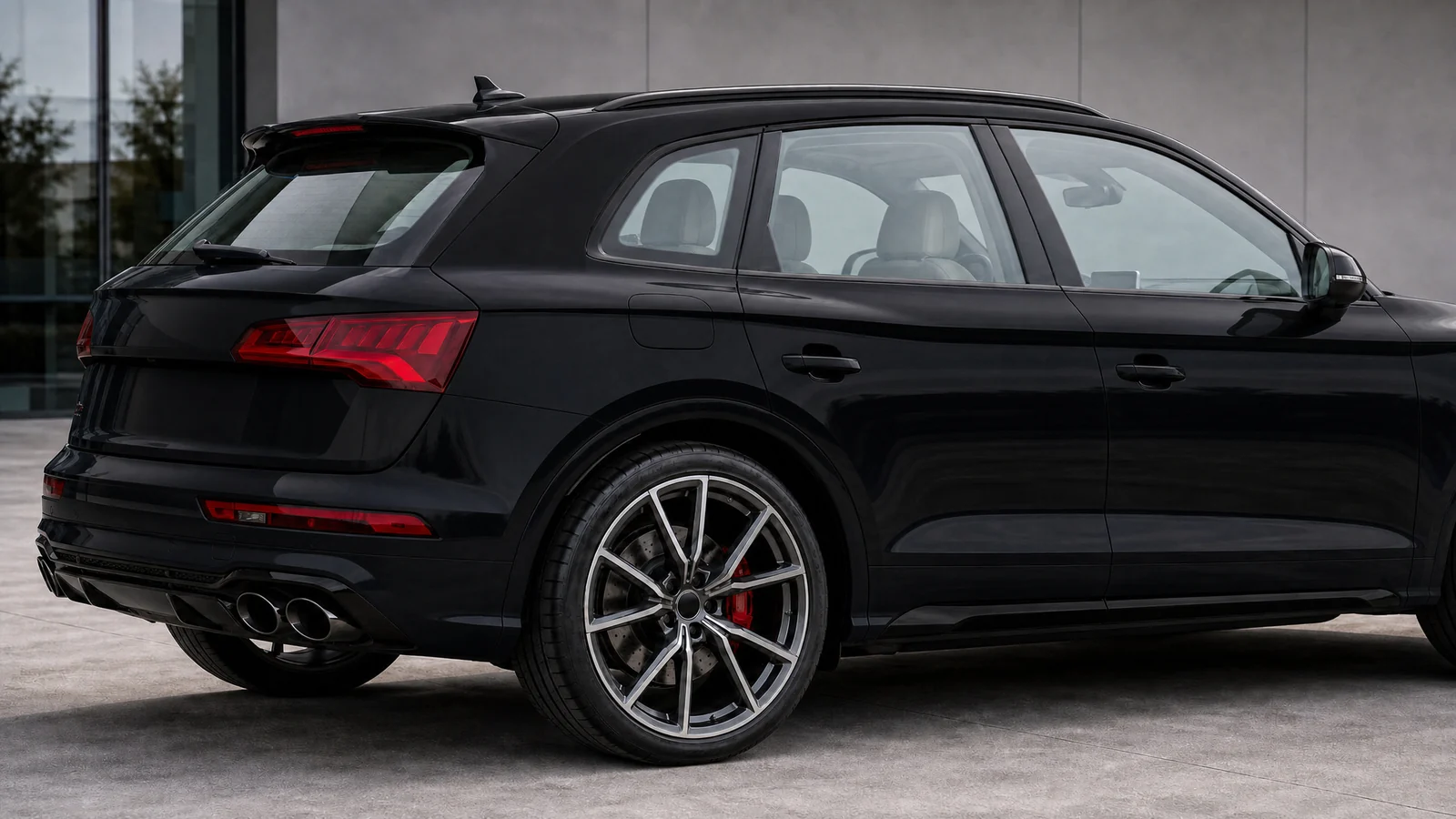
Real privacy and one even shade front to back. Legal on the front doors in Texas, which ask for 25% or lighter.
Texas asks for at least 25% VLT on the windows either side of the driver, so the darker shades stay behind the front doors — rear glass can go as dark as you like.
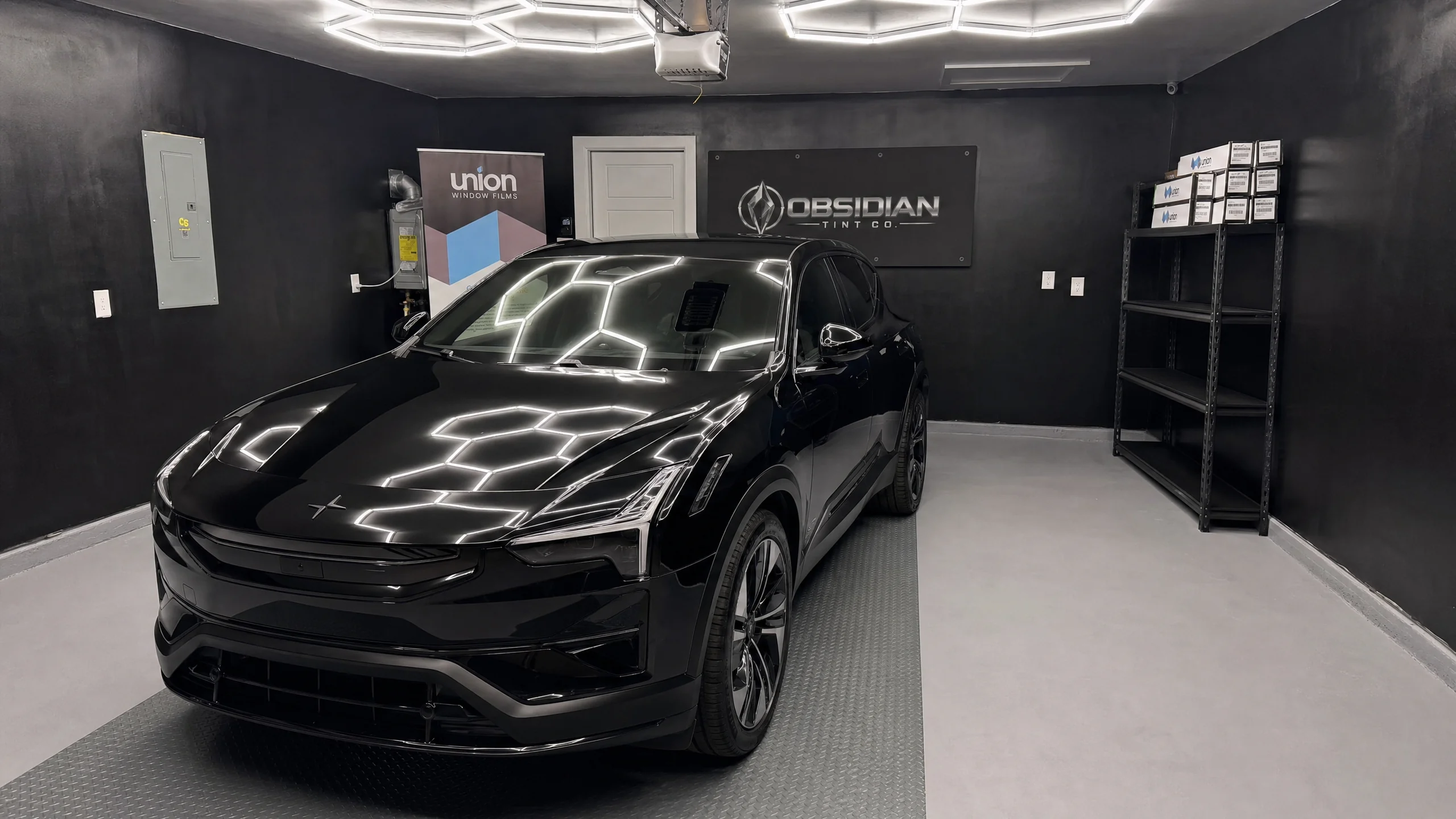
Tell us the car and the windows. Your quote is for your car — not a range, not a guess.
We check your shade against Texas law before anything is cut: 25% or lighter beside the driver.
Carbon IR or Ceramic IR, with Union’s limited lifetime warranty on qualifying car installs.
Before you drive away we go over the glass together and tell you how to look after it.
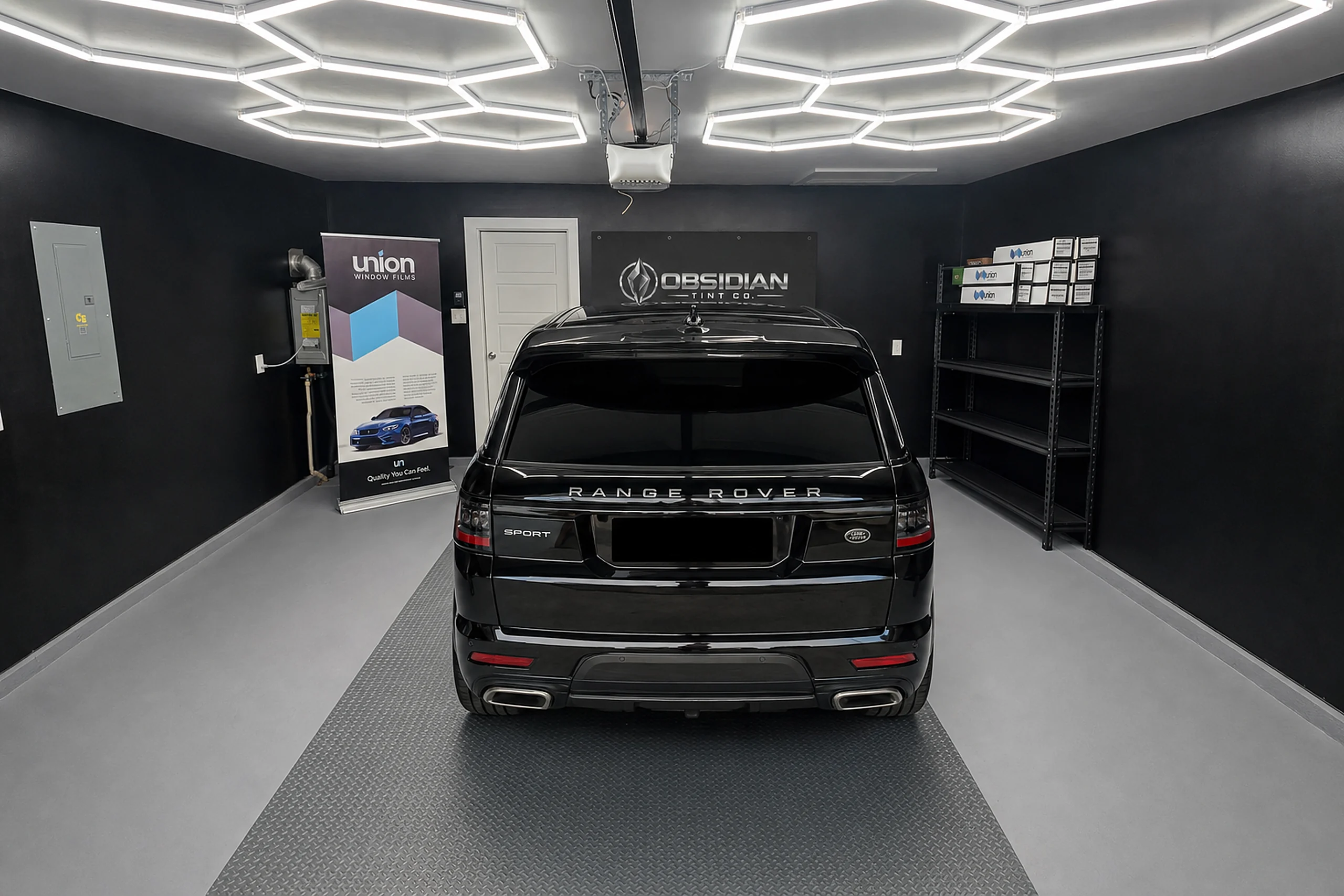
Send the year, make and model, the windows you want and whether old film needs to come off. We reply with the exact price for your car, not a range.
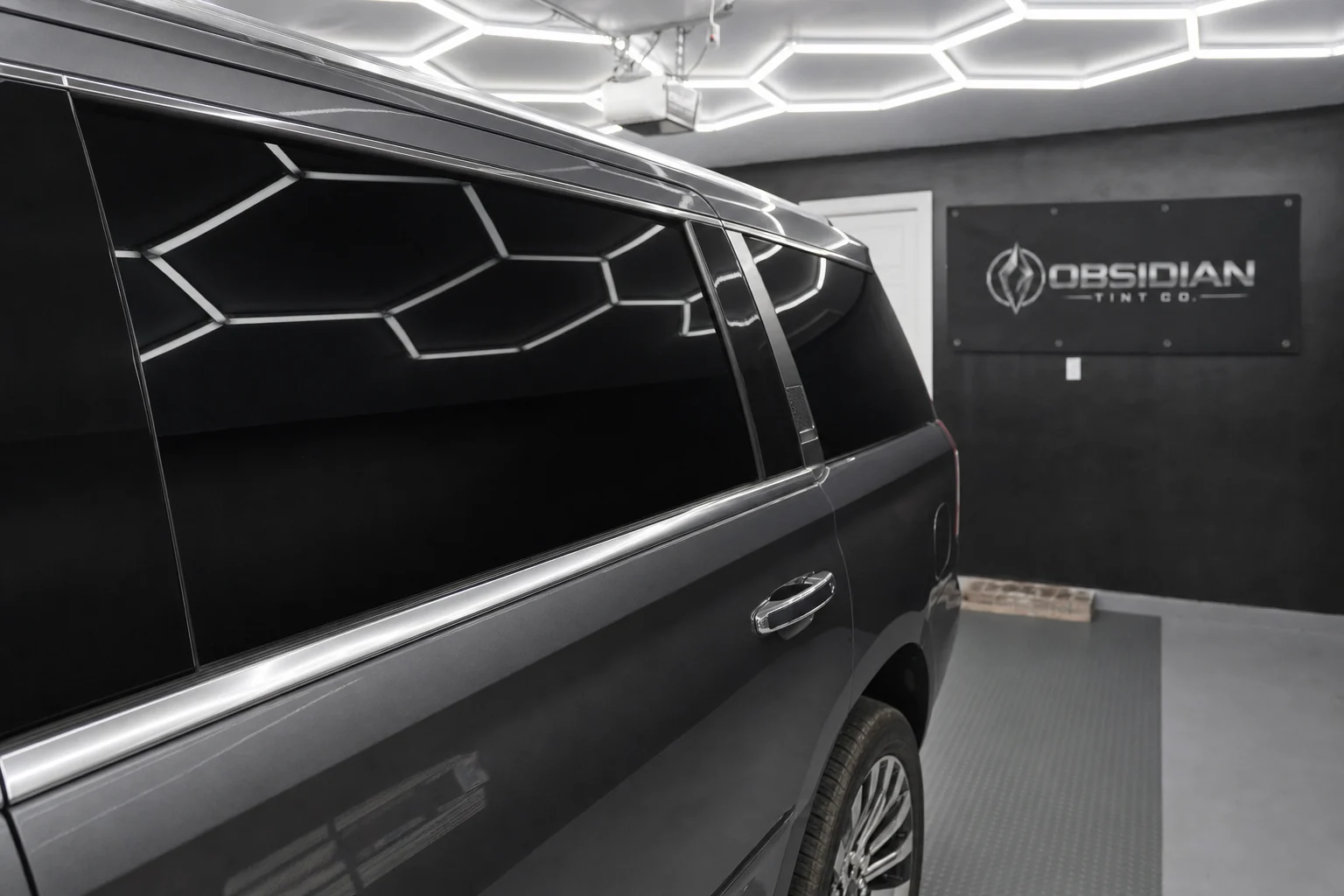
Carbon IR or Ceramic IR, then the shade: 5%, 15%, 20%, 35%, 50% or 70%. Try them in the shade viewer on this page, then book a time that suits you.
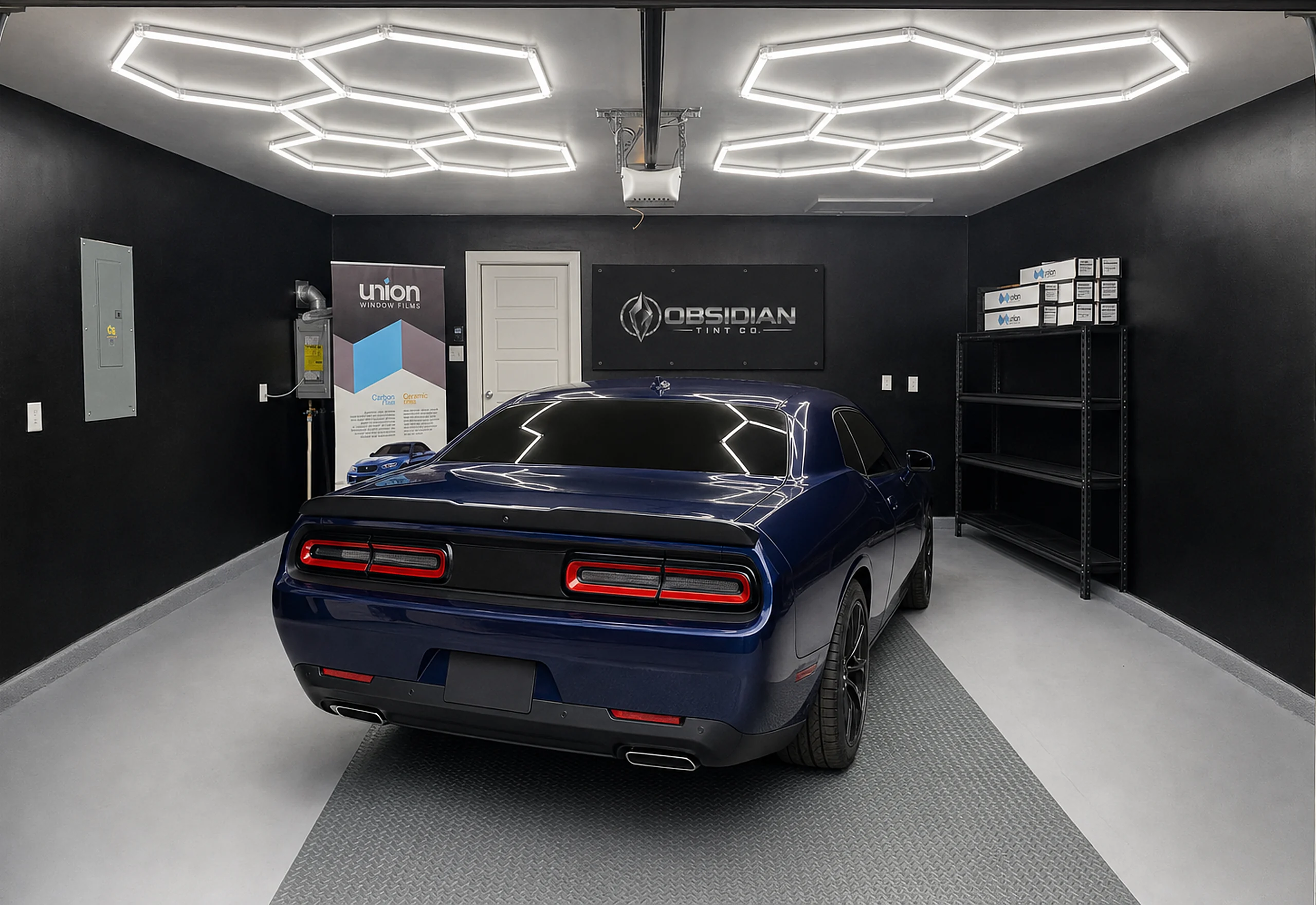
Bring the car to the studio at your booked time; the address comes with your booking. Your front shade is confirmed on your own glass, then the car is tinted indoors.
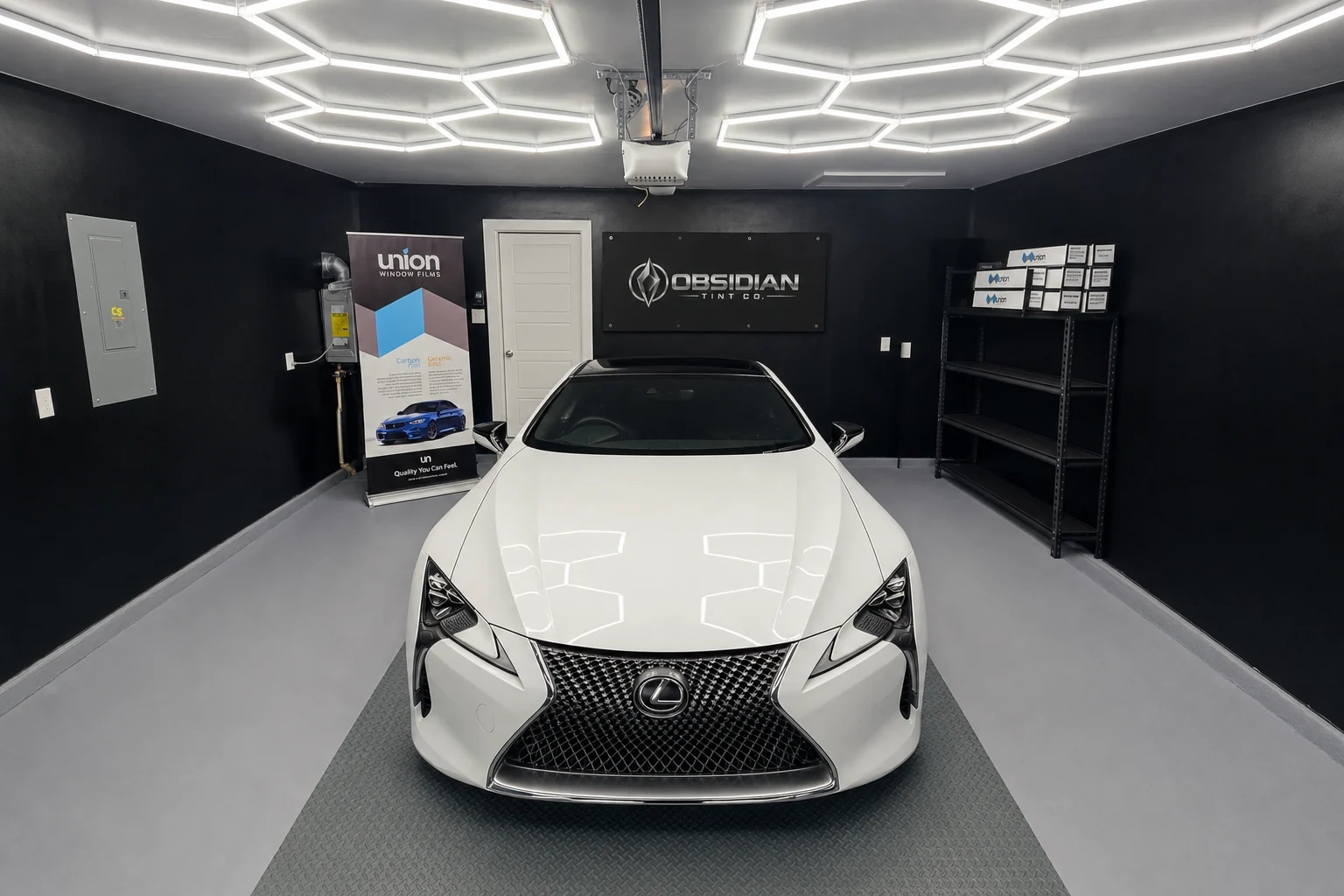
Before the keys go back, we look over every window with you: the edges, the shade and the finish. Then you drive away with the aftercare notes.
The front side windows need film and glass together to let through 25% or more of the light and reflect 25% or less. The rear side windows can take any shade, and so can the back glass on a car with an outside mirror on each side. The windshield can take a strip across the top. Our Texas tint laws page covers every window.
Year, make and model is all we need to start. Call (945) 280-9494 or send the form; the price is exact for your car.
(945) 280-9494